
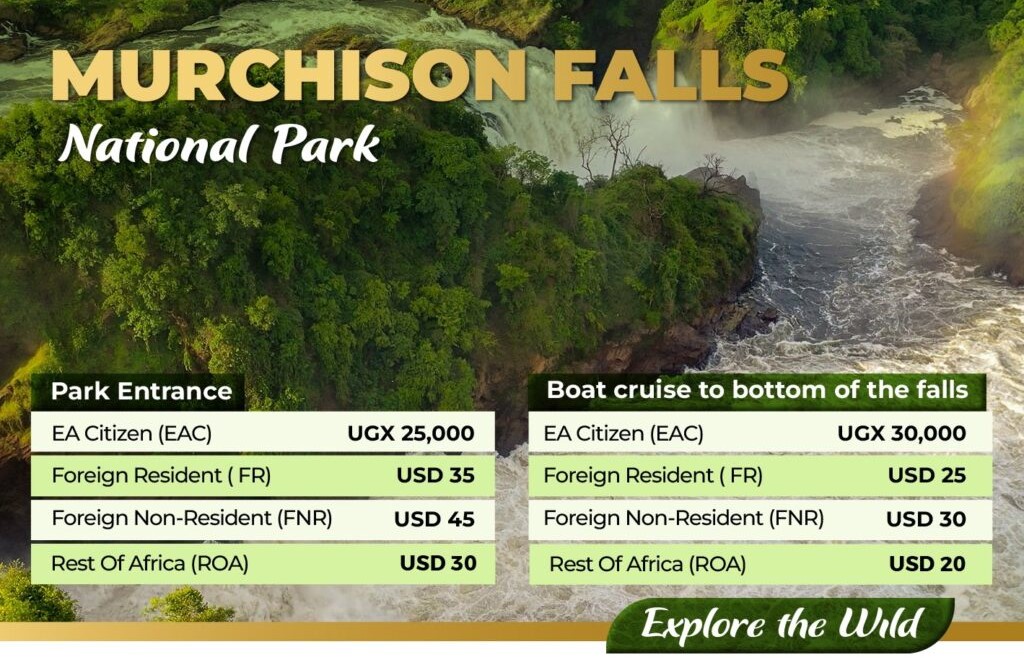
The Uganda Wildlife Authority (UWA) has announced a revised conservation tariff structure that will take effect on July 1, 2026. The new pricing framework is designed to strengthen wildlife conservation, improve visitor experiences, and support sustainable tourism in Uganda’s protected areas. The tariff applies to activities in national parks, wildlife reserves, and sanctuaries across the country.
Uganda’s tourism sector heavily depends on its wildlife resources, particularly primate tourism and safari experiences. By updating tariffs periodically, UWA aims to generate adequate revenue to protect national parks and game reserves, fund anti-poaching operations, and support communities living near protected areas.
Purpose of the 2027 Tariff Revision
The revision of tariffs is part of UWA’s long-term strategy to ensure that conservation activities remain financially sustainable. Revenue from tourism fees plays a crucial role in protecting wildlife habitats and supporting ranger operations across Uganda’s national parks.
Key objectives of the 2027 tariff include:
- Strengthening conservation financing
- Maintaining Uganda’s competitiveness in African tourism
- Improving park infrastructure and visitor services
- Supporting community development around protected areas
By adjusting prices gradually, the authority ensures that tourism remains accessible while still providing enough funding for conservation programs.
Key Primate Tourism Fees
Primate tourism remains the centerpiece of Uganda’s wildlife tourism industry, especially experiences involving gorillas and chimpanzees.
Gorilla Trekking Permits
Under the new tariff starting in 2027, the cost of gorilla trekking permits remains structured by visitor category:
- Foreign Non-Residents: USD $800
- Foreign Residents: USD $700
- Rest of Africa: USD $500
- East African Community Citizens: UGX 300,000
These permits allow visitors to spend one hour observing mountain gorillas in their natural habitat, mainly in:
- Bwindi Impenetrable National Park
- Mgahinga Gorilla National Park
Gorilla trekking is one of the most sought-after wildlife experiences in the world and contributes significantly to Uganda’s conservation funding.
Gorilla Habituation Experience
The tariff also covers the special gorilla habituation experience, which allows visitors to spend up to four hours with a semi-habituated gorilla family alongside researchers.
The 2027 rates include:
- Foreign Non-Residents: USD $1,800
- Foreign Residents: USD $1,600
- East African Citizens: UGX 750,000
This activity is mainly conducted in the Rushaga sector of Bwindi.
Chimpanzee Tracking and Primate Experiences
Uganda is also famous for chimpanzee tracking, especially in:
- Kibale National Park
- Kyambura Gorge
The new tariff structure includes the following rates:
Chimpanzee Tracking (Kibale)
- Foreign Non-Residents: USD $300
- Foreign Residents: USD $200
- EAC Citizens: UGX 180,000
Chimpanzee Habituation
- Foreign Non-Residents: USD $400
Chimpanzee Tracking (Kyambura Gorge)
- Foreign Non-Residents: USD $200
These experiences allow visitors to follow chimpanzees in the wild and observe their behavior in natural forest environments.
Specialized Wildlife Activities
The 2027 tariff also introduces or updates prices for several unique wildlife activities that enhance visitor experiences.
Examples include:
- Experiential Lion Tracking: about $500 for foreign non-residents
- Golden Cat Tracking in Kibale (5-day experience): about $350
- Guided forest walks and hiking routes: varying rates depending on location
These activities provide tourists with deeper interaction with Uganda’s wildlife and ecosystems beyond traditional game drives.
Changes in Booking Procedures
In addition to new tariffs, UWA has introduced operational changes affecting bookings and permit reservations. One major change is the removal of the seven-day reservation window, which previously allowed tour operators to reserve permits before making payment.
Under the new system:
- Permits must be paid for immediately at the time of booking.
- This policy aims to improve transparency and ensure fair access to limited permits.
Impact on Uganda’s Tourism Industry
The new 2027 tariff is expected to have several effects on the tourism sector:
- Increased funding for conservation: Higher revenue will support wildlife protection and habitat preservation.
- Improved tourism services: Funds will be invested in roads, ranger stations, and visitor facilities in parks.
- Balanced tourism growth: Tiered pricing ensures affordability for East African citizens while maintaining international tourism revenue.
- Community benefits: Part of the revenue is shared with communities living near protected areas to support schools, health centers, and local development projects.
Conclusion
The Uganda Wildlife Authority’s new tariff structure starting in January 2027 represents an important step toward sustainable wildlife management and tourism development. By revising permit prices and introducing improved booking systems, UWA aims to strengthen conservation funding while maintaining Uganda’s reputation as one of Africa’s leading wildlife destinations.
With world-renowned attractions such as mountain gorillas, chimpanzees, and diverse national parks, Uganda continues to position itself as a premier safari destination where tourism directly contributes to protecting nature and supporting local communities.